


“Cosive brought a high level of expertise and depth of knowledge to our engagement.”




You know your organisation needs a threat intelligence capability, but you’re not sure where to start. We help CISOs and security leaders figure out what they actually need — then build it with them, step by step.


Tell us where you are today and what you're trying to achieve. We'll help you figure out a practical path forward.
Discuss your threat intel goalsYour team is doing useful work, but you know there’s more they could be doing. Maybe your processes have grown organically and need structure. Maybe your tooling is holding you back. Maybe you need an outside perspective to identify the gaps.
We help CTI teams improve through structured assessment, practical recommendations, and hands-on support.

Measure your maturity against industry peers and identify specific areas for improvement.
Review your collection, analysis, dissemination, and feedback processes to find what’s working and what isn’t.
Develop or refine your intelligence requirements, reporting cadences, and stakeholder communication.
Get more value from your existing platform, or evaluate whether a different approach would serve you better.
Adopt orchestration tools that reduce manual effort in processing and triaging threat intelligence — so your analysts spend their time on analysis, not data wrangling.
We help you evaluate, deploy, and optimise the platform that fits your organisation — whether that's a fully managed service, an open-source solution, or an enterprise commercial product.
We help your team develop new disciplines and embed them into your existing workflow. These aren't one-off workshops — we work alongside your analysts to build skills that stick.
Discuss capability building
Build MITRE ATT&CK into your incident response tracking and CTI programme. We help you map your detections, assess coverage gaps, and use ATT&CK as a common language across your security team.
Define what intelligence your organisation actually needs. We help you identify the right sources, evaluate commercial and open-source feeds, and build collection plans that align with your risk profile.
Identify the threat actors most likely to target your organisation and research their tactics, techniques, and procedures. We help you build threat profiles that inform your detection and response priorities.
We deploy and support three threat intelligence platforms. Each suits different team sizes, maturity levels, and integration needs. We help you pick the right one and get it working.
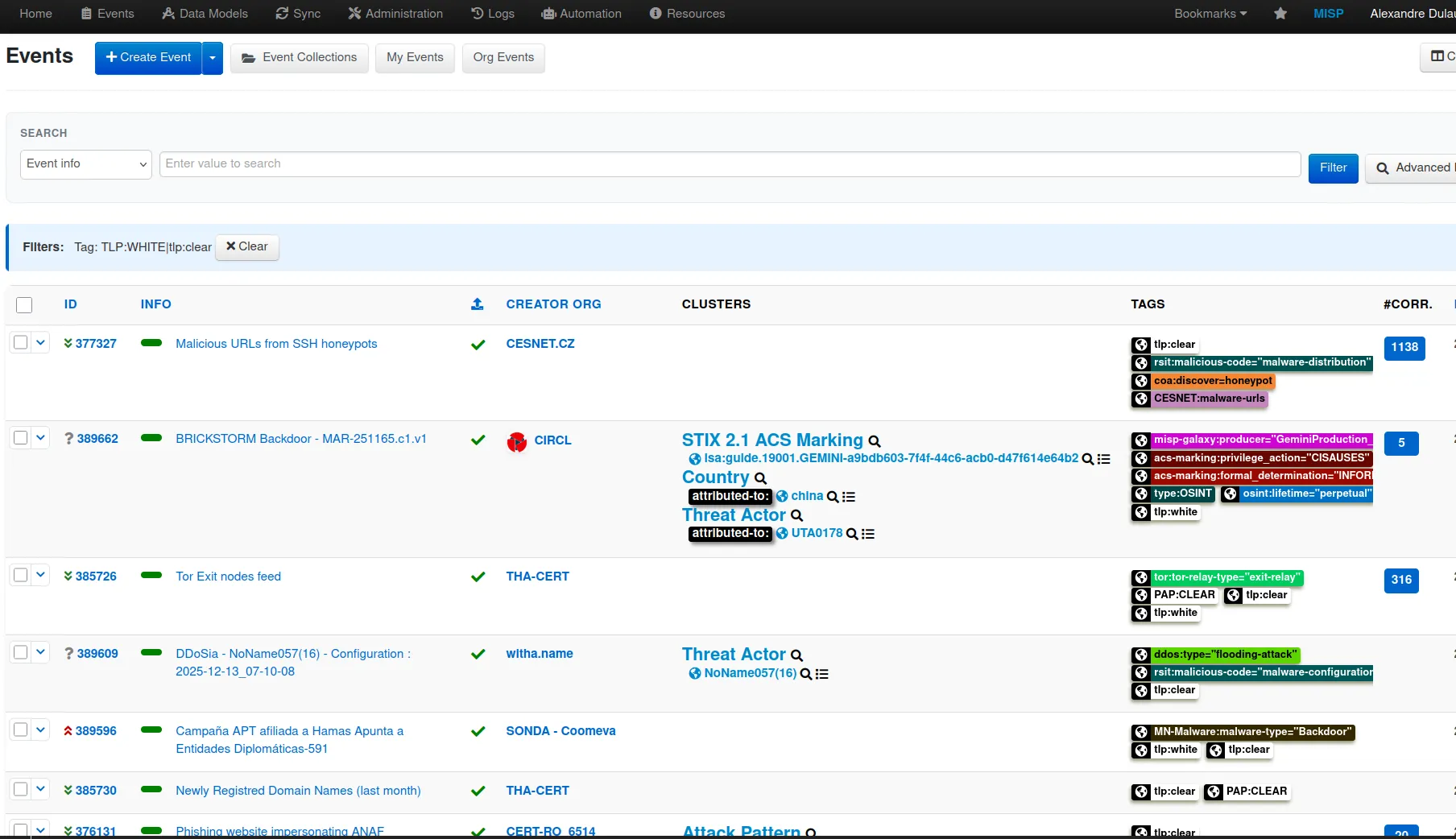
If your team is spending time on platform maintenance instead of analysis, a managed service frees them up. CloudMISP is our rearchitected, containerised MISP SaaS — deployed in a dedicated VPC in your preferred AWS region so your analysts can focus on intelligence, not infrastructure.
We handle hosting, monitoring, updates, and security patches. You get a production-ready MISP instance with built-in sharing workflows, multi-community support, and the confidence that your platform is being looked after by the team that built it.
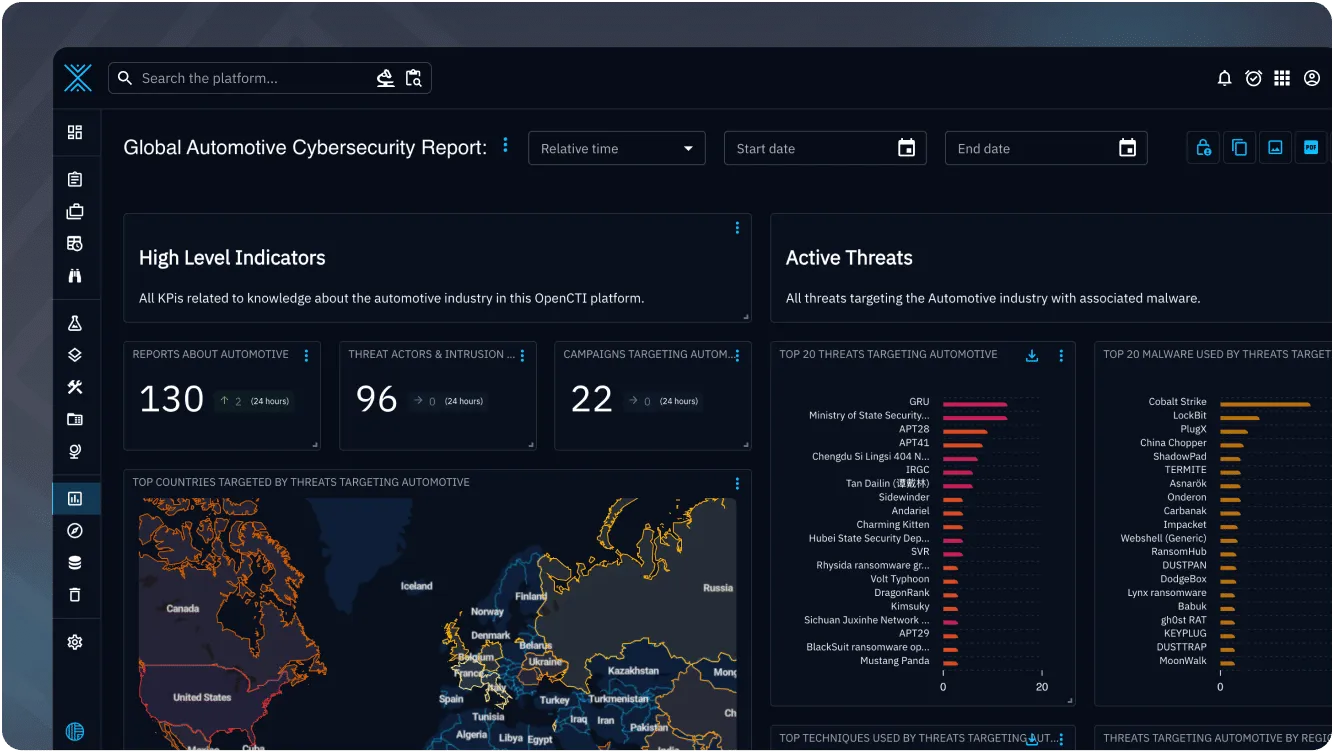
For teams that need flexible knowledge graph modelling and strong STIX support, OpenCTI gives you control and extensibility. Its STIX-native data model means your intelligence relationships are first-class objects — not afterthoughts bolted onto a flat database.
We help you plan, deploy, and tune OpenCTI so it fits your team’s workflows — whether you self-host or use Filigran’s SaaS offering. From connector configuration to dashboard design, we make sure you get value from the platform quickly.
For enterprise security teams that need deep integration with their existing stack and analyst-centric workflows, EclecticIQ Intelligence Center provides a structured environment for creating, managing, and disseminating intelligence.
We help you get the most from EclecticIQ — configuring analyst workbenches, building bi-directional integrations with your SIEM and SOAR, and setting up outgoing feeds so your intelligence reaches the teams and tools that need it.


Tell us about your threat intelligence goals and we’ll get back to you with practical next steps.
Pipedrive form will go here.

